• Home
  • Prof. Dr. Selçuk Erkılınç, MD
  • My Areas of Expertise
    • Gynecologic Cancer Surgery
      • Ovarian Cancer
      • Uterine Cancer
      • Cervical Cancer
      • Female Genital Cancer Screenings
    • High-Risk Pregnancy
      • High-Risk Pregnancy Follow-Up
      • Placental Anomalies
    • Gynecological Operations and Tumors
      • Myoma and Polyp Surgeries
      • Management of Ovarian Cysts
    • Advanced Laparoscopic and Endoscopic Surgery
      • Hysteroscopy (Intrauterine Imaging and Treatment)
      • Closed (Laparoscopic) Surgeries
      • Endometriosis (Chocolate Cyst) Treatment
    • Urogynecology and Pelvic Health
      • Genital Warts and HPV Infection Treatment
      • Urinary Incontinence and Voiding Dysfunctions in Women
      • Uterine and Vaginal Prolapse (Pelvic Organ Prolapse)
    • Aesthetic and Functional Gynecology
      • Vaginal Aesthetics and Rejuvenation (Genital Aesthetics)
      • Chronic Pelvic Pain Treatment
  • Blogs
  • Our Gallery
  • Contact
  • Türkçe
Facebook Whatsapp Youtube
  • Home
  • Prof. Dr. Selçuk Erkılınç, MD
  • My Areas of Expertise
    • Gynecologic Cancer Surgery
      • Ovarian Cancer
      • Uterine Cancer
      • Cervical Cancer
      • Female Genital Cancer Screenings
    • High-Risk Pregnancy
      • High-Risk Pregnancy Follow-Up
      • Placental Anomalies
    • Gynecological Operations and Tumors
      • Myoma and Polyp Surgeries
      • Management of Ovarian Cysts
    • Advanced Laparoscopic and Endoscopic Surgery
      • Hysteroscopy (Intrauterine Imaging and Treatment)
      • Closed (Laparoscopic) Surgeries
      • Endometriosis (Chocolate Cyst) Treatment
    • Urogynecology and Pelvic Health
      • Genital Warts and HPV Infection Treatment
      • Urinary Incontinence and Voiding Dysfunctions in Women
      • Uterine and Vaginal Prolapse (Pelvic Organ Prolapse)
    • Aesthetic and Functional Gynecology
      • Vaginal Aesthetics and Rejuvenation (Genital Aesthetics)
      • Chronic Pelvic Pain Treatment
  • Blogs
  • Our Gallery
  • Contact
  • Türkçe
  • Türkçe
  • English
Home Posts What is Chronic Pelvic Pain? Causes and Treatment Options

Uncategorized

What is Chronic Pelvic Pain? Causes and Treatment Options

By haktan.akpulat@gmail.com
22 May 2026
0 Comments
Kronik Pelvik Ağrı.jpg

What is Chronic Pelvic Pain? Causes and Treatment Options

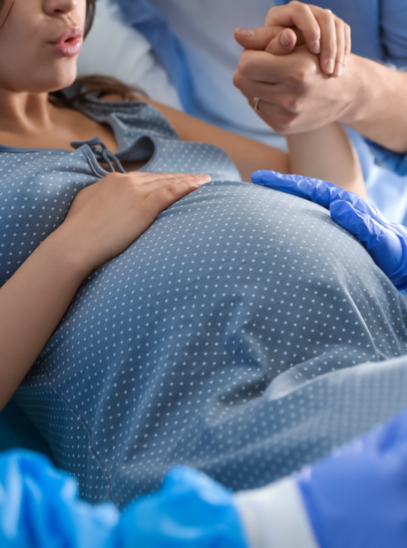
Chronic pelvic pain refers to continuous or recurrent pain in the lower abdomen or pelvis (pelvic bone) region that persists over a long period. Typically lasting for 6 months or longer, this pain can be associated with various underlying factors in women’s health and can significantly affect daily quality of life. Since it may not be linked to a single cause, the evaluation process is often planned in a multi-faceted manner. Accurately understanding the source of the pain is critical for determining the appropriate treatment approach.

What is Chronic Pelvic Pain?

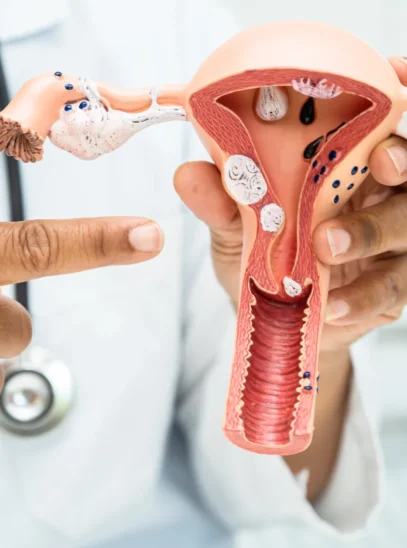
The pelvic region is a complex structure that encompasses the uterus, ovaries, bladder, intestines, muscles, nerves, and connective tissues. For this reason, pelvic pain can be associated with different gynecological, urological, gastrointestinal, musculoskeletal, or neurological conditions. Chronic pelvic pain can be constant or intermittent, and it may occur independently or in relation to the menstrual cycle.

What Are the Symptoms of Chronic Pelvic Pain?

Symptoms can vary from person to person. Commonly observed symptoms include:

  • Persistent pain in the lower abdomen or groin area

  • Sharp, pressure-like, or cramp-like aches

  • Pain that intensifies during menstruation or sexual intercourse

  • Discomfort during urination or bowel movements

  • Pelvic discomfort and bloating accompanied by lower back pain

  • Fatigue and a noticeable decline in daily quality of life

Possible Causes of Chronic Pelvic Pain

Pelvic pain can be associated with conditions that involve many different medical specialties:

  1. Gynecological Causes: Endometriosis, chocolate cysts, myomas (fibroids), adenomyosis, pelvic adhesions, or chronic infections.

  2. Urological Causes: Interstitial cystitis (painful bladder syndrome).

  3. Gastrointestinal Causes: Irritable bowel syndrome (IBS) or chronic constipation.

  4. Musculoskeletal and Neurological Causes: Pelvic floor muscle spasms or nerve entrapments.

How is Chronic Pelvic Pain Diagnosed?

The diagnostic process requires a detailed evaluation to understand the underlying cause:

  • A comprehensive medical history and gynecological examination

  • Ultrasonography (especially transvaginal ultrasound)

  • MRI imaging, blood, and urine tests when deemed necessary

  • Diagnostic laparoscopy (direct visualization via closed surgery)

  • Bowel or bladder evaluations when required

How is Chronic Pelvic Pain Treatment Planned?

Treatment is planned on an individualized basis depending on the source of the pain and generally includes the following approaches:

  1. Medical Treatments: Pain management, hormonal regulations, or infection treatments.

  2. Physical Therapy: Specialized exercise approaches for conditions involving the pelvic floor muscles.

  3. Surgical Treatment: Can be planned after specialist evaluation for structural issues (such as myomas, adhesions, endometriosis foci, etc.).

  4. Multidisciplinary Approach: Managing the process collaboratively with gynecology, urology, gastroenterology, and mental health professionals if necessary.

Lifestyle and Supportive Approaches

Habits such as keeping a pain diary, stress management, a suitable exercise routine, and regular sleep can be beneficial in managing the process. Since prolonged pain can lead to psychological impacts, supporting emotional and mental well-being throughout the treatment process is also essential.

When Should You Consult a Doctor?

Severe pelvic pain that lasts longer than 6 months, limits daily life, or is associated with the menstrual cycle should not be ignored. Early evaluation plays a critical role in preserving quality of life.

Important Note: This content is for informational purposes only. Please consult an obstetrician-gynecologist or a relevant healthcare professional for diagnosis and treatment choices.
Share
Copied!
previous post
next post

Related Posts

kadındogum
Uncategorized
22 May 2026
What is Uterine Cancer (Endometrial Cancer)? Symptoms, Risk Factors, Diagnosis and Treatment Process
kadındogum
Uncategorized
22 May 2026
What is High-Risk Pregnancy? Risks and Monitoring in Pregnancy
Miyom ve Polip Nedir.jpg
Uncategorized
22 May 2026
What Are Myomas and Polyps? Symptoms and Treatment Options
Histeroskopi Nedir.jpg
Uncategorized
22 May 2026
What is Hysteroscopy? In Which Conditions Is It Performed?
HPV (Human Papilloma Virüsü) Nedir.jpg
Uncategorized
22 May 2026
What is HPV (Human Papilloma Virus)? Symptoms, Transmission Routes, Prevention and Treatment Process
Genital Estetik Nedir.jpg
Uncategorized
22 May 2026
What is Genital Aesthetics? Which Procedures Does It Include, and Who Can It Be Evaluated For?
Yumurtalık (Over) Kanseri Nedir.jpg
Uncategorized
22 May 2026
What is Ovarian Cancer? Symptoms, Risk Factors, Diagnosis and Treatment Process
Plasenta Anomalileri Nedir.jpg
Uncategorized
22 May 2026
What Are Placental Anomalies? Placenta Problems in Pregnancy
Yumurtalık (Over) Kistleri .jpg
Uncategorized
22 May 2026
What Are Ovarian Cysts? Symptoms and Types
Çikolata Kisti.jpg
Uncategorized
22 May 2026
What is a Chocolate Cyst (Endometrioma)? Symptoms and Treatment Options
Kapalı Ameliyat.JPG
Uncategorized
22 May 2026
What is Closed Surgery (Minimally Invasive Surgery)? What You Need to Know About Laparoscopic and Hysteroscopic Methods

Instagram @selcukerkilinc

Pages
  • Home
  • About Me
  • My Areas of Expertise
  • Blogs
  • Contact

Address

Yali Mahallesi 6523. Sokak Park Yasam Ofisleri No:32/A Floor:6 Apartment:601 35550 Karsiyaka/Izmir, Turkey

Location
Monday – Friday: 9:00 AM – 7:00 PM Saturday: 9:00 AM – 7:00 PM
Contact
  • +90 532 342 68 24
  • +90 554 916 69 23
  • info@maiakadinsagligi.com
Informations
  • Privacy Policy
  • Protection of Personal Data
  • Cookie Policy
  • Privacy Notice
Tiktok Youtube Instagram Facebook-f

Information and healthcare services for diagnostic and treatment processes are provided in the fields of gynecology and gynecologic oncology. The information contained on this website is for informational purposes only. Please consult your physician for diagnosis and treatment. Diagnostic and treatment methods may vary from person to person.

Digital Strategist | All Rights Reserved © 2026.

Login

Lost your password?