
• Home
  • Prof. Dr. Selçuk Erkılınç, MD
  • My Areas of Expertise
    • Gynecologic Cancer Surgery
      • Ovarian Cancer
      • Uterine Cancer
      • Cervical Cancer
      • Female Genital Cancer Screenings
    • High-Risk Pregnancy
      • High-Risk Pregnancy Follow-Up
      • Placental Anomalies
    • Gynecological Operations and Tumors
      • Myoma and Polyp Surgeries
      • Management of Ovarian Cysts
    • Advanced Laparoscopic and Endoscopic Surgery
      • Hysteroscopy (Intrauterine Imaging and Treatment)
      • Closed (Laparoscopic) Surgeries
      • Endometriosis (Chocolate Cyst) Treatment
    • Urogynecology and Pelvic Health
      • Genital Warts and HPV Infection Treatment
      • Urinary Incontinence and Voiding Dysfunctions in Women
      • Uterine and Vaginal Prolapse (Pelvic Organ Prolapse)
    • Aesthetic and Functional Gynecology
      • Vaginal Aesthetics and Rejuvenation (Genital Aesthetics)
      • Chronic Pelvic Pain Treatment
  • Blogs
  • Our Gallery
  • Contact
  • Türkçe
Facebook Whatsapp Youtube
  • Home
  • Prof. Dr. Selçuk Erkılınç, MD
  • My Areas of Expertise
    • Gynecologic Cancer Surgery
      • Ovarian Cancer
      • Uterine Cancer
      • Cervical Cancer
      • Female Genital Cancer Screenings
    • High-Risk Pregnancy
      • High-Risk Pregnancy Follow-Up
      • Placental Anomalies
    • Gynecological Operations and Tumors
      • Myoma and Polyp Surgeries
      • Management of Ovarian Cysts
    • Advanced Laparoscopic and Endoscopic Surgery
      • Hysteroscopy (Intrauterine Imaging and Treatment)
      • Closed (Laparoscopic) Surgeries
      • Endometriosis (Chocolate Cyst) Treatment
    • Urogynecology and Pelvic Health
      • Genital Warts and HPV Infection Treatment
      • Urinary Incontinence and Voiding Dysfunctions in Women
      • Uterine and Vaginal Prolapse (Pelvic Organ Prolapse)
    • Aesthetic and Functional Gynecology
      • Vaginal Aesthetics and Rejuvenation (Genital Aesthetics)
      • Chronic Pelvic Pain Treatment
  • Blogs
  • Our Gallery
  • Contact
  • Türkçe
  • Türkçe
  • English
Home Posts What is Ovarian Cancer? Symptoms, Risk Factors, Diagnosis and Treatment Process

Uncategorized

What is Ovarian Cancer? Symptoms, Risk Factors, Diagnosis and Treatment Process

By haktan.akpulat@gmail.com
22 May 2026
0 Comments
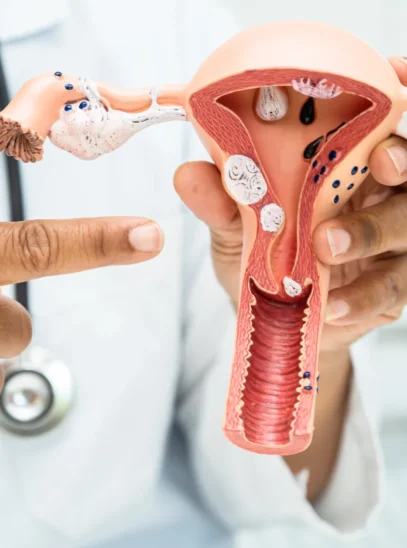
Yumurtalık (Over) Kanseri Nedir.jpg

What is Ovarian Cancer? Symptoms and Treatment Process

Ovarian cancer is one of the important types of gynecological cancers that can develop in the ovaries, which are part of the female reproductive system. Since it may not cause prominent complaints in the early stages, it can be noticed late in some cases. For this reason, knowing the symptoms, evaluating the risk factors, and having regular women’s health check-ups hold great importance. Although every symptom does not signify cancer, a specialist evaluation may be required for prolonged or recurrent complaints.

What is Ovarian Cancer?

Ovaries are the organs in the female reproductive system responsible for hormone production and egg development. Ovarian cancer can develop due to the uncontrolled proliferation of cells located in this region. Different subtypes can be found, and the treatment approach may vary based on the tumor’s type, stage, and general health status.

What Are the Symptoms of Ovarian Cancer?

Ovarian cancer may not present distinct findings in the early stages. Therefore, some symptoms can be confused with other health problems. Symptoms that require attention include:

  • Abdominal bloating or a constant feeling of fullness

  • Pelvic or groin pain

  • Feeling full quickly or changes in appetite

  • The need for frequent urination

  • Digestive system complaints and fatigue

  • Unexplained weight changes

  • Menstrual irregularities or postmenopausal bleeding

If symptoms become persistent or have newly started, a specialist’s opinion is important.

Ovarian Cancer Risk Factors

Certain factors can be associated with an increased risk. However, having a risk factor does not mean definitive disease:

  • Advanced age

  • A family history of ovarian, breast, or certain genetic cancers

  • BRCA1 / BRCA2 gene mutations

  • Having never given birth

  • Endometriosis (chocolate cyst)

  • Obesity and certain hereditary syndromes

How is Ovarian Cancer Diagnosed?

In case of suspected ovarian cancer, the evaluation can be multi-faceted. Methods that can be used include:

  • Gynecological examination

  • Transvaginal and abdominal ultrasonography

  • Blood tests (tumor markers such as CA-125)

  • CT (Computed Tomography) or MRI imaging

  • Genetic evaluation and surgical sampling

Definitive diagnosis is mostly supported by pathological examination.

Stages of Ovarian Cancer

A treatment plan is established by staging according to the spread status of the disease:

  • Stage 1: The cancer is limited only to the ovaries.

  • Stage 2: There is spread to other tissues in the pelvic region.

  • Stage 3: Spread to the intra-abdominal lining (peritoneum) or lymph nodes is observed.

  • Stage 4: Spread to distant organs, such as the liver or lungs, is present.

Ovarian Cancer Treatment Options

The treatment approach is planned on an individualized basis depending on the tumor type, stage, age, and general health status:

  1. Surgical Treatment: It is the primary method in the process of diagnosis and clearing the tumor.

  2. Chemotherapy: It can be applied before or after surgery to destroy cancer cells.

  3. Targeted Therapies: These are modern drugs used in patients with appropriate genetic characteristics.

  4. Immunotherapy: It can be evaluated in specific situations to support the body’s immune system.

When Should You Consult a Doctor?

If there is constant abdominal bloating, unexplained pelvic pain, a feeling of rapid fullness, or a strong family history of cancer, a specialist evaluation carries vital importance. Early diagnosis may not always be easy; therefore, being aware of the changes in your body and not skipping regular check-ups is the most crucial protective step.

Conclusion

Ovarian cancer is a health topic whose symptoms can sometimes be obscure but requires careful monitoring. Regular check-ups and specialist support help risk factors be noticed early.

Important Note: This content is for informational purposes only. Please consult an obstetrician-gynecologist for diagnosis, screening, and treatment processes.
Share
Copied!
previous post
next post

Related Posts

kadındogum
Uncategorized
22 May 2026
What is Uterine Cancer (Endometrial Cancer)? Symptoms, Risk Factors, Diagnosis and Treatment Process
kadındogum
Uncategorized
22 May 2026
What is High-Risk Pregnancy? Risks and Monitoring in Pregnancy
Miyom ve Polip Nedir.jpg
Uncategorized
22 May 2026
What Are Myomas and Polyps? Symptoms and Treatment Options
Histeroskopi Nedir.jpg
Uncategorized
22 May 2026
What is Hysteroscopy? In Which Conditions Is It Performed?
HPV (Human Papilloma Virüsü) Nedir.jpg
Uncategorized
22 May 2026
What is HPV (Human Papilloma Virus)? Symptoms, Transmission Routes, Prevention and Treatment Process
Genital Estetik Nedir.jpg
Uncategorized
22 May 2026
What is Genital Aesthetics? Which Procedures Does It Include, and Who Can It Be Evaluated For?
Plasenta Anomalileri Nedir.jpg
Uncategorized
22 May 2026
What Are Placental Anomalies? Placenta Problems in Pregnancy
Yumurtalık (Over) Kistleri .jpg
Uncategorized
22 May 2026
What Are Ovarian Cysts? Symptoms and Types
Çikolata Kisti.jpg
Uncategorized
22 May 2026
What is a Chocolate Cyst (Endometrioma)? Symptoms and Treatment Options
Kronik Pelvik Ağrı.jpg
Uncategorized
22 May 2026
What is Chronic Pelvic Pain? Causes and Treatment Options
Kapalı Ameliyat.JPG
Uncategorized
22 May 2026
What is Closed Surgery (Minimally Invasive Surgery)? What You Need to Know About Laparoscopic and Hysteroscopic Methods

Instagram @selcukerkilinc

Pages
  • Home
  • About Me
  • My Areas of Expertise
  • Blogs
  • Contact

Address

Yali Mahallesi 6523. Sokak Park Yasam Ofisleri No:32/A Floor:6 Apartment:601 35550 Karsiyaka/Izmir, Turkey

Location
Monday – Friday: 9:00 AM – 7:00 PM Saturday: 9:00 AM – 7:00 PM
Contact
  • +90 532 342 68 24
  • +90 554 916 69 23
  • info@maiakadinsagligi.com
Informations
  • Privacy Policy
  • Protection of Personal Data
  • Cookie Policy
  • Privacy Notice
Tiktok Youtube Instagram Facebook-f

Information and healthcare services for diagnostic and treatment processes are provided in the fields of gynecology and gynecologic oncology. The information contained on this website is for informational purposes only. Please consult your physician for diagnosis and treatment. Diagnostic and treatment methods may vary from person to person.

Digital Strategist | All Rights Reserved © 2026.

Login

Lost your password?