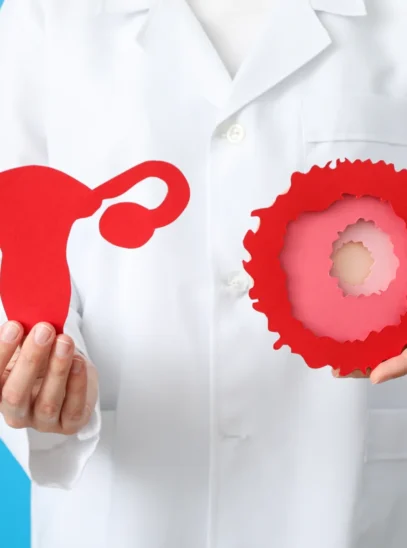



What is a Chocolate Cyst (Endometrioma)? Symptoms and Treatment Options
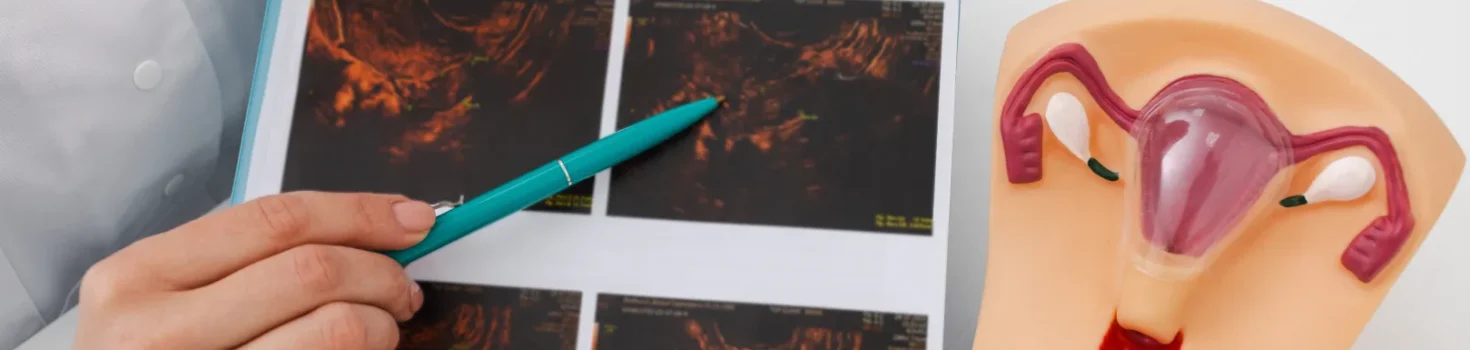
What is a Chocolate Cyst (Endometrioma)? Symptoms and Treatment Options
A chocolate cyst, medically known as an endometrioma, is a type of cyst that develops in the ovaries and can be associated with endometriosis. It derives its name from the thick, dark brown content that can accumulate inside the cyst. While it may not present symptoms in some individuals, in other cases, it can come to the forefront with complaints such as pain, menstrual irregularities, or issues that may affect family planning. The treatment plan is evaluated on an individualized basis and may vary depending on symptoms, age, cyst size, and pregnancy plans.
What is a Chocolate Cyst (Endometrioma)?
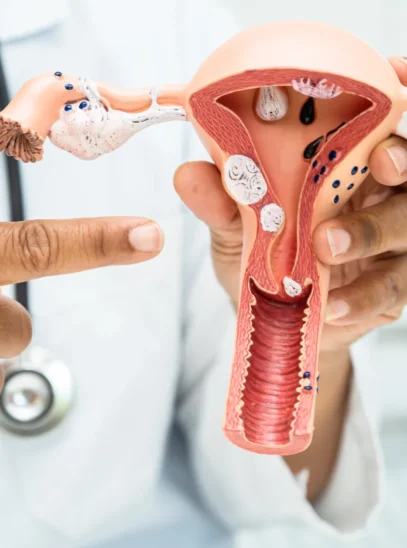
Endometriosis is a condition associated with the tissue that normally lines the inside of the uterus growing outside the uterus. When this tissue develops on the ovary, a chocolate cyst can form. Chocolate cysts are typically observed in the ovaries, can be unilateral or bilateral, and their sizes vary from person to person. They can cause chronic pain in some individuals.
What Are the Symptoms of a Chocolate Cyst?
Symptoms can vary from person to person. Commonly observed symptoms include:
Painful menstrual periods and chronic groin/pelvic pain
Pain during intercourse
Menstrual irregularities
Pain during bowel movements (in some cases)
Difficulty conceiving
A feeling of bloating or pressure in the abdomen
How is a Chocolate Cyst Diagnosed?
Evaluation methods may encompass:
Gynecological examination and transvaginal ultrasonography
MRI imaging and blood tests when deemed necessary
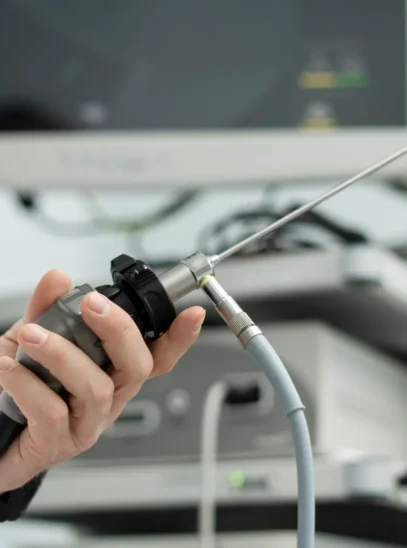
Laparoscopic evaluation for definitive assessment
Definitive assessment is planned based on clinical findings and specialist consensus.
How is Chocolate Cyst Treatment Planned?
Treatment is not identical for everyone. The objective is to control symptoms, support quality of life, and determine the appropriate approach based on personal goals.
Regular Follow-up: Certain small cysts that do not present symptoms can be monitored under specialist supervision with regular ultrasound scans and cyst size tracking.
Medical (Pharmacological) Treatment: Treatments aimed at pain management and hormone suppression can be evaluated.
Surgical Treatment: A surgical approach may be required if severe pain, large cyst size, or specific situations in family planning are present. Laparoscopic (closed) surgery is generally preferred.
Chocolate Cysts and Pregnancy
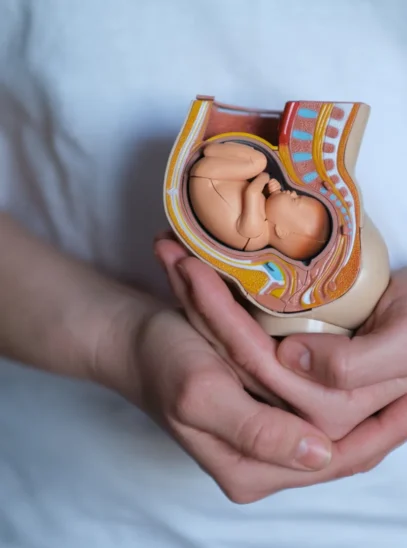
Chocolate cysts can affect fertility in some individuals; however, the situation is different for every individual. In patients planning a pregnancy, factors such as ovarian reserve, cyst size, patient age, and the presence of additional endometriosis foci are meticulously evaluated.
Do Chocolate Cysts Recur?
Endometriosis can exhibit a chronic nature, and re-evaluation may be required in some individuals after treatment. Therefore, alongside medical treatment, supportive approaches such as regular doctor check-ups, a balanced lifestyle, and stress management are important in managing the process.
When Should You Consult a Doctor?
A specialist evaluation should absolutely be sought in cases such as severe menstrual pain, chronic groin pain, pain during intercourse, or difficulty conceiving despite unprotected intercourse.
Conclusion
A chocolate cyst is a women’s health condition that requires an individualized evaluation. With regular follow-up and appropriate diagnostic methods, a process that will enhance quality of life can be planned. Early evaluation is a critical step in health management.
Important Note: This content is for informational purposes only. Please consult an obstetrician-gynecologist for diagnosis and treatment processes.