


What Are Ovarian Cysts? Symptoms and Types

What Are Ovarian Cysts? Symptoms and Types
Ovarian cysts are among the commonly encountered gynecological conditions in women. Many ovarian cysts can be harmless and are sometimes noticed during routine check-ups without presenting any symptoms. However, certain cysts may require closer monitoring based on their size, structure, or the complaints they cause. For this reason, regular gynecological evaluation is of critical importance for women’s health.
What is an Ovarian Cyst?
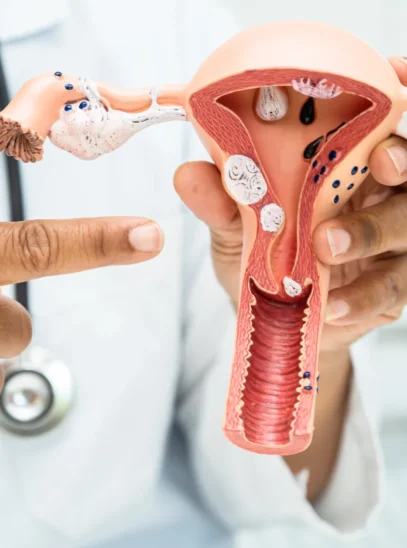
An ovarian cyst is a sac-like structure that can develop within or on the ovary and may be filled with fluid or other types of content. Not all cysts are identical; while some may be related to physiological processes such as the ovulation cycle, others can develop due to different pathological reasons.
Why Do Ovarian Cysts Form?
Cyst formation can be associated with many different biological and hormonal causes:
The ovulation cycle and hormonal changes
Endometriosis (chocolate cyst)
Polycystic ovary syndrome (PCOS)
Hormonal processes associated with pregnancy
Pelvic infections
Certain rare tumoral formations
What Are the Types of Ovarian Cysts?
Ovarian cysts are classified into different categories based on their structures:
Functional Cysts: These are the most common type of cysts, related to the menstrual cycle, and usually disappear spontaneously.
Dermoid Cysts: These are specialized structures that can contain different tissue types, such as hair, teeth, or skin.
Endometrioma (Chocolate Cyst): Formed by the accumulation of endometriosis tissue in the ovary.
Cystadenomas: Structures that develop from the outer surface of the ovary and can sometimes reach large sizes.
What Are the Symptoms of an Ovarian Cyst?
While some cysts present no symptoms, others may cause the following complaints:
Chronic pain in the groin or pelvic region
A feeling of bloating and pressure in the abdomen
Menstrual irregularities and painful menstrual periods
Discomfort or pain during intercourse
The need for frequent urination
In Which Situations Might an Urgent Evaluation Be Required?
The following symptoms may indicate medical emergencies such as the twisting of the cyst (torsion) or its bursting (rupture):
Suddenly oncoming, severe, and sharp groin pain
Nausea or vomiting
Dizziness and a feeling of fainting
Bleeding accompanied by intense pain
How Are Ovarian Cysts Diagnosed?
During the diagnostic process, the structure, size, and content of the cyst are examined in detail:
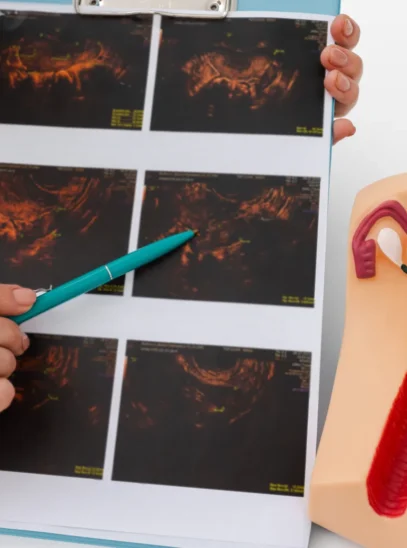
Gynecological examination and transvaginal ultrasonography
Blood tests (hormone levels and tumor markers when deemed necessary)
MRI or CT imaging in advanced cases
Monitoring the growth rate of the cyst
How is Ovarian Cyst Treatment Planned?
The treatment approach may vary based on the type and size of the cyst, the patient’s age, and the severity of the symptoms:
Regular Follow-up: Most functional cysts regress spontaneously within a few menstrual cycles.
Medical Treatments: Birth control pills may be recommended to prevent new cyst formation or to maintain hormonal balance.
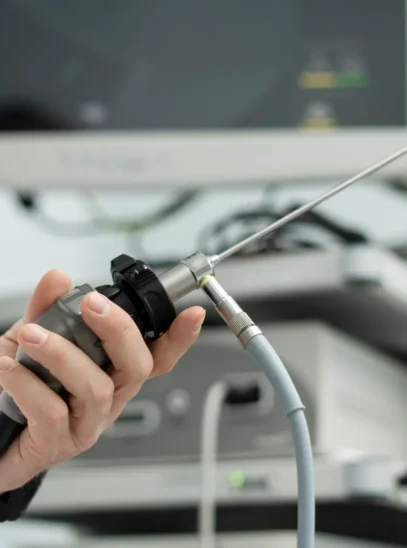
Surgical Approach: An intervention (usually via minimally invasive methods) can be planned for cysts that are large, cause pain, carry a risk of twisting, or appear suspicious.
Conclusion
Although ovarian cysts are mostly benign, potential risks can be noticed early thanks to regular check-ups. Cysts detected particularly in the postmenopausal period or suddenly oncoming pain should be evaluated by a specialist without delay.
Important Note: This content is for informational purposes only. Please consult an obstetrician-gynecologist for diagnosis, follow-up, and treatment processes.