
• Home
  • Prof. Dr. Selçuk Erkılınç, MD
  • My Areas of Expertise
    • Gynecologic Cancer Surgery
      • Ovarian Cancer
      • Uterine Cancer
      • Cervical Cancer
      • Female Genital Cancer Screenings
    • High-Risk Pregnancy
      • High-Risk Pregnancy Follow-Up
      • Placental Anomalies
    • Gynecological Operations and Tumors
      • Myoma and Polyp Surgeries
      • Management of Ovarian Cysts
    • Advanced Laparoscopic and Endoscopic Surgery
      • Hysteroscopy (Intrauterine Imaging and Treatment)
      • Closed (Laparoscopic) Surgeries
      • Endometriosis (Chocolate Cyst) Treatment
    • Urogynecology and Pelvic Health
      • Genital Warts and HPV Infection Treatment
      • Urinary Incontinence and Voiding Dysfunctions in Women
      • Uterine and Vaginal Prolapse (Pelvic Organ Prolapse)
    • Aesthetic and Functional Gynecology
      • Vaginal Aesthetics and Rejuvenation (Genital Aesthetics)
      • Chronic Pelvic Pain Treatment
  • Blogs
  • Our Gallery
  • Contact
  • Türkçe
Facebook Whatsapp Youtube
  • Home
  • Prof. Dr. Selçuk Erkılınç, MD
  • My Areas of Expertise
    • Gynecologic Cancer Surgery
      • Ovarian Cancer
      • Uterine Cancer
      • Cervical Cancer
      • Female Genital Cancer Screenings
    • High-Risk Pregnancy
      • High-Risk Pregnancy Follow-Up
      • Placental Anomalies
    • Gynecological Operations and Tumors
      • Myoma and Polyp Surgeries
      • Management of Ovarian Cysts
    • Advanced Laparoscopic and Endoscopic Surgery
      • Hysteroscopy (Intrauterine Imaging and Treatment)
      • Closed (Laparoscopic) Surgeries
      • Endometriosis (Chocolate Cyst) Treatment
    • Urogynecology and Pelvic Health
      • Genital Warts and HPV Infection Treatment
      • Urinary Incontinence and Voiding Dysfunctions in Women
      • Uterine and Vaginal Prolapse (Pelvic Organ Prolapse)
    • Aesthetic and Functional Gynecology
      • Vaginal Aesthetics and Rejuvenation (Genital Aesthetics)
      • Chronic Pelvic Pain Treatment
  • Blogs
  • Our Gallery
  • Contact
  • Türkçe
  • Türkçe
  • English
Home Posts What is High-Risk Pregnancy? Risks and Monitoring in Pregnancy

Uncategorized

What is High-Risk Pregnancy? Risks and Monitoring in Pregnancy

By haktan.akpulat@gmail.com
22 May 2026
0 Comments
kadındogum

What is High-Risk Pregnancy?

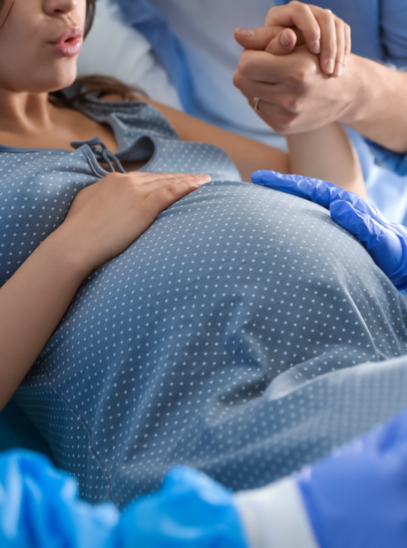
Pregnancy is a special process for every woman that requires careful monitoring. However, in some cases, due to additional factors that could affect the health of the expectant mother or the baby, a pregnancy may be evaluated as a “risk pregnancy” or “high-risk pregnancy.” This condition does not necessarily mean that the pregnancy will progress negatively; however, it may require closer monitoring, regular check-ups, and specialist evaluation.

What is High-Risk Pregnancy?

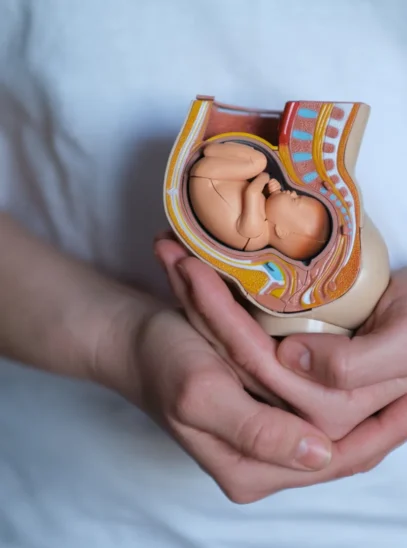
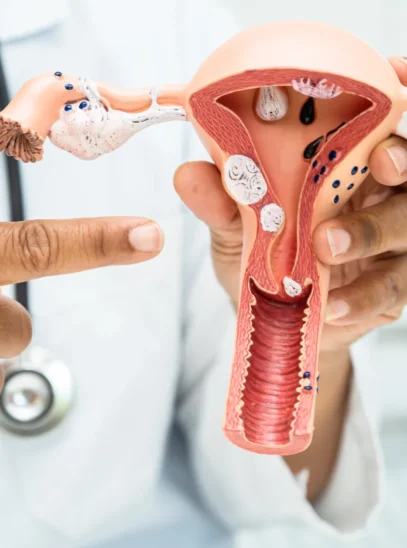
A high-risk pregnancy refers to pregnancies that require more careful monitoring compared to standard pregnancy follow-ups due to certain health conditions arising in the expectant mother, the baby, or during the pregnancy process itself. The objective in this process is to protect the health of the mother and the baby, detect potential complications early, and establish an appropriate management plan.

High-risk pregnancies are mostly monitored by obstetrician-gynecologists and perinatology (high-risk pregnancy specialty) professionals.

Which Conditions Can Render a Pregnancy High-Risk?

A high-risk pregnancy can arise due to many different reasons. These factors are generally examined under three main groups:

Maternal Risk Factors:

  • Pregnancies over the age of 35 or under the age of 18

  • Chronic diseases (High blood pressure, diabetes, thyroid, heart, or kidney diseases)

  • Obesity and autoimmune diseases

  • Blood clotting disorders

  • A history of miscarriage, preterm birth, or preeclampsia in previous pregnancies

Risks Related to the Pregnancy Process:

  • Multiple pregnancy (twins, triplets, etc.)

  • Gestational diabetes or pregnancy toxemia (preeclampsia)

  • Placental problems and cervical insufficiency

  • Risk of preterm labor

  • Decrease or excess in amniotic fluid (the baby’s water)

Fetal Conditions:

  • Intrauterine growth restriction

  • Genetic risks or structural anomalies

  • Low or high birth weight

What Are the Symptoms of a High-Risk Pregnancy?

Certain symptoms may require urgent or careful evaluation in terms of maternal and fetal health:

  • Severe headache and visual disturbances

  • Vajinal bleeding or premature rupture of membranes (early water breaking)

  • Severe abdominal or groin pain

  • A noticeable decrease in the baby’s movements

  • Excessive, sudden onset edema (swelling) in the hands and face

  • Regular contractions or symptoms of preterm labor

A specialist should be consulted without delay when these symptoms are observed.

Which Tests Can Be Performed in a High-Risk Pregnancy?

Individualized monitoring methods are planned based on the status of the pregnancy. Commonly used evaluations include:

  • Detailed ultrasonography and Doppler ultrasound

  • First or second-trimester screening tests (double, triple, or quadruple screening tests)

  • Monitoring the baby’s heart rate with a non-stress test (NST)

  • Regular blood sugar and blood pressure tracking

  • Amniocentesis or advanced genetic tests when required

  • Cervical length measurement

How is a High-Risk Pregnancy Managed?

The management process in high-risk pregnancies is individualized. Approaches that can be applied include:

  1. Frequent Follow-up: Doctor check-ups are performed more frequently compared to the standard schedule.

  2. Lifestyle Adjustment: Specialized nutrition programs and physical activity restrictions (such as bed rest) may be required.

  3. Medical Support: Drug treatments against blood pressure, blood sugar, or the risk of preterm labor can be administered.

  4. Perinatology Support: Managing the process alongside a perinatologist may be necessary.

Nutrition and Lifestyle in a High-Risk Pregnancy

Healthy habits enable risky processes to be managed more comfortably:

  • A balanced diet rich in protein

  • Adequate fluid consumption

  • Strictly avoiding smoking, alcohol, and medications not approved by the doctor

  • Regular sleep and stress management

  • Light physical activities to the extent permitted by the doctor

Is a High-Risk Pregnancy Always Dangerous?

The diagnosis of a high-risk pregnancy does not necessarily mean a poor outcome. Thanks to the opportunities provided by modern medicine and regular follow-ups, many expectant mothers can have a healthy delivery process. The primary purpose is to identify risks in advance and draw a safe roadmap.

Conclusion

A high-risk pregnancy is a specific period that requires conscious and careful monitoring. With early diagnosis, the right tests, and specialist support, maternal and fetal health can be protected at the highest level.

Important Note: This content is for informational purposes only. Please consult your obstetrician-gynecologist for the most accurate information regarding your pregnancy process and personal health status.
Share
Copied!
previous post
next post

Related Posts

kadındogum
Uncategorized
22 May 2026
What is Uterine Cancer (Endometrial Cancer)? Symptoms, Risk Factors, Diagnosis and Treatment Process
Miyom ve Polip Nedir.jpg
Uncategorized
22 May 2026
What Are Myomas and Polyps? Symptoms and Treatment Options
Histeroskopi Nedir.jpg
Uncategorized
22 May 2026
What is Hysteroscopy? In Which Conditions Is It Performed?
HPV (Human Papilloma Virüsü) Nedir.jpg
Uncategorized
22 May 2026
What is HPV (Human Papilloma Virus)? Symptoms, Transmission Routes, Prevention and Treatment Process
Genital Estetik Nedir.jpg
Uncategorized
22 May 2026
What is Genital Aesthetics? Which Procedures Does It Include, and Who Can It Be Evaluated For?
Yumurtalık (Over) Kanseri Nedir.jpg
Uncategorized
22 May 2026
What is Ovarian Cancer? Symptoms, Risk Factors, Diagnosis and Treatment Process
Plasenta Anomalileri Nedir.jpg
Uncategorized
22 May 2026
What Are Placental Anomalies? Placenta Problems in Pregnancy
Yumurtalık (Over) Kistleri .jpg
Uncategorized
22 May 2026
What Are Ovarian Cysts? Symptoms and Types
Çikolata Kisti.jpg
Uncategorized
22 May 2026
What is a Chocolate Cyst (Endometrioma)? Symptoms and Treatment Options
Kronik Pelvik Ağrı.jpg
Uncategorized
22 May 2026
What is Chronic Pelvic Pain? Causes and Treatment Options
Kapalı Ameliyat.JPG
Uncategorized
22 May 2026
What is Closed Surgery (Minimally Invasive Surgery)? What You Need to Know About Laparoscopic and Hysteroscopic Methods

Instagram @selcukerkilinc

Pages
  • Home
  • About Me
  • My Areas of Expertise
  • Blogs
  • Contact

Address

Yali Mahallesi 6523. Sokak Park Yasam Ofisleri No:32/A Floor:6 Apartment:601 35550 Karsiyaka/Izmir, Turkey

Location
Monday – Friday: 9:00 AM – 7:00 PM Saturday: 9:00 AM – 7:00 PM
Contact
  • +90 532 342 68 24
  • +90 554 916 69 23
  • info@maiakadinsagligi.com
Informations
  • Privacy Policy
  • Protection of Personal Data
  • Cookie Policy
  • Privacy Notice
Tiktok Youtube Instagram Facebook-f

Information and healthcare services for diagnostic and treatment processes are provided in the fields of gynecology and gynecologic oncology. The information contained on this website is for informational purposes only. Please consult your physician for diagnosis and treatment. Diagnostic and treatment methods may vary from person to person.

Digital Strategist | All Rights Reserved © 2026.

Login

Lost your password?