


What is Closed Surgery (Minimally Invasive Surgery)? What You Need to Know About Laparoscopic and Hysteroscopic Methods
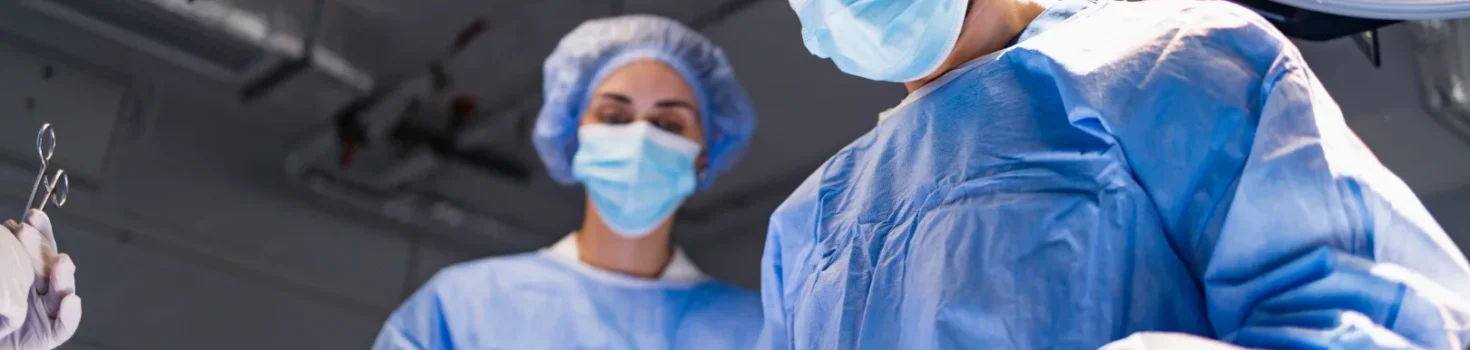
What is Closed Surgery (Minimally Invasive Surgery)? Laparoscopic and Hysteroscopic Methods
With technological advancements in medicine, many surgical procedures can now be performed using smaller incisions or natural orifices. Minimally invasive surgical methods, colloquially known as “closed surgery,” are among the modern approaches that can be evaluated in diagnosis and treatment processes for eligible patient groups. These methods, which can also be utilized for various conditions in the field of obstetrics and gynecology, are planned through individualized evaluation.
What is Closed Surgery?
Closed surgery refers to surgical methods performed through small incisions, camera systems, or natural orifices instead of large surgical incisions. The objective is to access the target area in a less invasive manner when appropriate. Commonly used methods include:
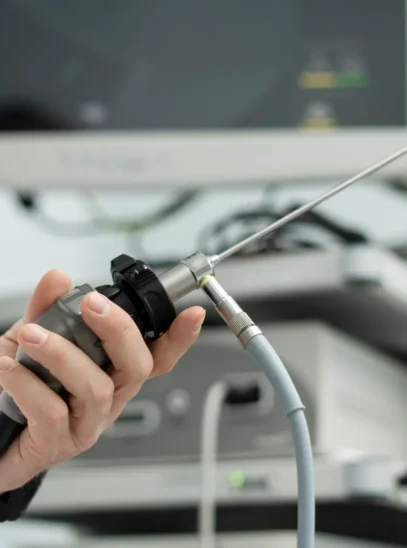
Laparoscopic Surgery: It is performed by entering through a few small incisions (usually 0.5-1 cm) made in the abdominal area using a camera and specialized surgical instruments.
Hysteroscopic Surgery: It is the process of evaluating or treating the inside of the uterus by entering through the cervix, without making any surgical incisions.
In Which Conditions Can Closed Surgery Be Evaluated?
In women’s health, it can be used after specialist evaluation for various reasons in the following areas:
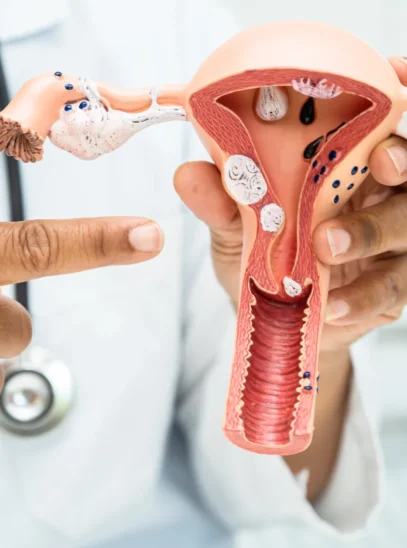
Treatment of ovarian cysts and chocolate cysts (endometriosis)
Removal of myomas (fibroids) and clearing of endometrial polyps
Interventions for ectopic pregnancy
Blockages or other issues related to the fallopian tubes
Investigation of infertility causes
Correction of intrauterine adhesions and uterine anomalies
What Are the Advantages of Closed Surgery?
When appropriate, it can provide the following benefits compared to open surgery:
Smaller surgical incisions and consequently less tissue trauma.
Less post-operative pain sensation.
Shorter hospital stay and a faster return to daily activities.
Reduced risk of infection.
Much smaller surgical scars from a cosmetic standpoint.
Is Closed Surgery Suitable for Everyone?
No. The choice of surgical method is determined based on the individual’s general health status, the stage of the current disease, previous surgeries, and the scope of the operation. In some cases, open surgery (laparotomy) may be much safer and more appropriate in line with the surgeon’s preference or the patient’s medical necessities.
Post-Operative Recovery Process
Although the recovery time varies depending on the type of procedure, the following processes are generally observed:
There may be a mild sensation of gas in the shoulders or abdomen due to the gas insufflated into the abdominal cavity.
Since the incision sites are small, wound care is more practical.
Adhering to the rest period and follow-up appointments recommended by the doctor increases the speed of recovery.
In case of unexpected situations such as severe pain, high fever, or heavy bleeding, a specialist physician should be consulted without delay.
Conclusion
Closed surgeries offer comfortable and modern surgical options for eligible patient groups. However, every surgical approach is unique to the individual. The decision on which method is the right option for you can only be made through a detailed examination and a specialist physician’s evaluation.
Important Note: This content is for informational purposes only. Please consult a specialist physician for diagnosis and treatment options.