


What is Genital Aesthetics? Which Procedures Does It Include, and Who Can It Be Evaluated For?

What is Genital Aesthetics? Which Procedures Does It Include?
Genital aesthetics is a field that encompasses applications aimed at evaluating certain conditions that can affect the appearance, functional structure, or personal comfort of the female genital area. Due to childbirth, aging, hormonal changes, genetic structure, or individual anatomical variations, some people may request an evaluation for aesthetic or functional reasons. This process must be planned on an individualized basis and addressed through a specialist physician’s evaluation.
What is Genital Aesthetics?
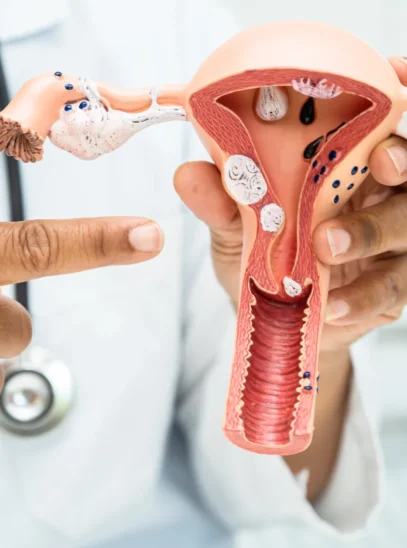
Genital aesthetics can involve aesthetic or functional evaluations regarding the external genital area (vulva), inner lips (labia minora), outer lips (labia majora), vaginal structure, or surrounding tissues. The objectives in the process can vary depending on the individual:
An increase in personal satisfaction and self-confidence regarding appearance.
Elimination of the feeling of physical discomfort (friction, pain, etc.).
Improvement of deformations that occur after childbirth.
Increasing the comfort of clothing selection, sports, or daily life.
Which Procedures Can Genital Aesthetics Include?
Commonly evaluated and applied methods include:
Labiaplasty: Enpasses surgical corrections regarding the size, sagging, or asymmetry of the inner lips (labia minora).
Vaginoplasty (Vaginal Tightening): The functional and aesthetic repair of enlargements that develop due to childbirth or age.
Outer Lip (Labia Majora) Applications: Shaping can be performed with fillers or fat injection for volume losses that occur with age.
Clitoral Hoodoplasty: The anatomical arrangement of excess skin folds over the clitoris.
Genital Bleaching: Color tone arrangements can be performed with lasers or specialized solutions based on personal expectations.
Who Can Consider a Genital Aesthetics Evaluation?
Genital aesthetics is preferred not only for visual concerns but mostly due to medical and physical necessities. Some reasons for application include:
A feeling of discomfort in tight clothing due to pronounced size of the inner lips.
Friction and irritation that occur during cycling, walking, or sports.
Anatomical changes that develop after difficult deliveries.
Tissue laxities and asymmetries that develop due to age.
Is Genital Aesthetics Intended Solely for Appearance?
No. For many women, these procedures directly affect physical comfort. For instance, elongated or asymmetric lips can lead to hygiene issues, recurrent infections, or pain during daily activities. Therefore, beyond aesthetic concerns, the process can aim for an increase in the quality of life.
Evaluation and Recovery Process
Prior to the application, the physician evaluates the anatomical structure, health history, and the realistic expectations of the patient. In the post-procedure period, the following points should be considered:
Full compliance with the hygiene rules recommended by the doctor must be ensured.
Mild edema and sensitivity that may occur in the first few days is an expected situation.
Heavy physical activities and environments like pools/sea should be avoided for a certain period during the recovery phase.
Follow-up appointments should not be skipped.
Safety and Specialist Selection
The anatomy of the genital area is highly sensitive and complex. Therefore, it is critical for evaluations and operations to be performed by an obstetrician-gynecologist or surgeons experienced in this field, in terms of both health and aesthetic results.
Conclusion
Genital aesthetics is a medical field that enables the individual to feel better both physically and psychologically. Every individual’s anatomy is unique to themselves; therefore, what is “normal” is the patient’s own comfort and health. With an informed approach and specialist support, the process can be managed in a healthy manner.
Important Note: This content is for informational purposes only. Please consult a specialist physician for diagnosis, evaluation, and appropriate treatment options.