


What Are Placental Anomalies? Placenta Problems in Pregnancy

What Are Placental Anomalies? Placenta Problems in Pregnancy
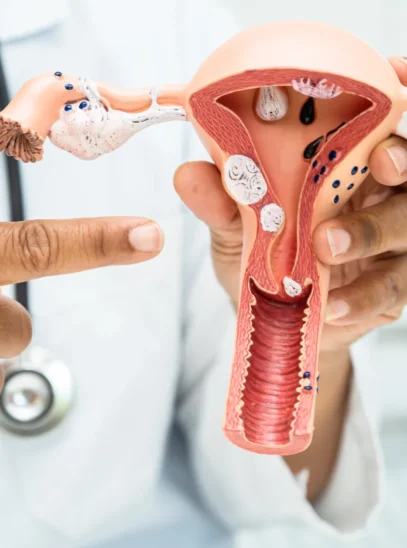
The placenta is a specialized organ that holds vital importance for the development of the baby throughout pregnancy. It provides the exchange of oxygen, nutrients, and waste products between the mother and the baby. During the pregnancy process, certain variations regarding the placement, structure, or function of the placenta can be evaluated as “placental anomalies.” Although these conditions do not always signify serious problems, they can require careful monitoring for the health of both the mother and the baby.
What is the Placenta?
The placenta is a temporary organ that develops inside the uterus during pregnancy, supporting the growth of the baby. Its primary duties include:
Supporting the transport of oxygen to the baby
Providing nutrient delivery
Helping remove waste products
Contributing to hormone production
The healthy functioning of the placenta is one of the most critical parts of pregnancy monitoring.
What Are Placental Anomalies?
Placental anomalies refer to differences regarding the localization of the placenta, its way of attachment to the uterus, or its structural characteristics. Commonly observed types include:
Placenta Previa (Low-Lying Placenta): A condition where the placenta implants close to the cervix or covers the cervix entirely. It usually presents symptoms with painless vaginal bleeding.
Placenta Accreta Spectrum: A condition where the placenta attaches more deeply and firmly to the uterine wall than normal. Difficulties may be experienced in the separation of the placenta after birth.
Placental Abruption: The premature separation of the placenta from the uterine wall before birth. It can course with severe abdominal pain and bleeding.
Placental Insufficiency: A condition where the placenta experiences problems in delivering sufficient oxygen or nutrients to the baby, which can affect the baby’s development.
Risk Factors for Placental Anomalies
Certain situations can increase the likelihood of experiencing problems related to the placenta:
A history of previous cesarean sections or uterine surgeries
Advanced maternal age
Multiple pregnancy (twins, triplets, etc.)
High blood pressure and smoking
Trauma sustained to the abdominal area
What Are the Symptoms of Placenta Problems?
A prompt specialist evaluation is of vital importance when the following symptoms are noticed:
Vaginal bleeding
Severe or suddenly oncoming abdominal pain
Continuous hardness and contractions in the uterus
A noticeable decrease in the baby’s movements
Findings of high blood pressure
How Are Placental Anomalies Diagnosed?
Regular pregnancy check-ups ensure that many conditions are noticed early. Methods used during the diagnostic process include:
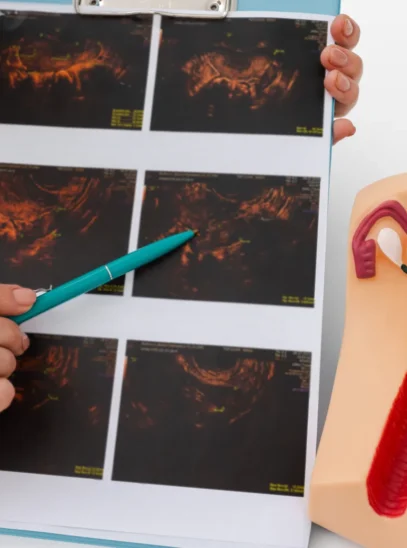
Detailed pregnancy ultrasonography
Doppler ultrasound (to evaluate blood flow)
MRI imaging when deemed necessary
Monitoring the baby’s well-being with NST (Non-stress test)
Treatment and Management in Placental Anomalies
Treatment is planned on an individualized basis depending on the type of anomaly, the gestational week, and the general condition of the mother and the baby. Approaches applied include:
Close Follow-up: More frequent doctor check-ups and ultrasound monitoring.
Activity Regulation: Rest recommendations and avoiding heavy physical activity.
Delivery Planning: In cases carrying a risk of bleeding, the timing and mode of delivery (usually a cesarean section) are determined in advance.
Hospital Monitoring: In risky situations, it may be necessary to monitor the mother through hospitalization.
Conclusion
Placental anomalies are specific conditions that require careful monitoring during the pregnancy process. Thanks to early diagnosis and specialist support, many risks can be managed and a healthy delivery process can be planned.
Important Note: This content is for informational purposes only. Please consult your obstetrician-gynecologist for evaluations regarding the pregnancy process and the placenta.