


What is HPV (Human Papilloma Virus)? Symptoms, Transmission Routes, Prevention and Treatment Process

What is HPV (Human Papilloma Virus)?
HPV (Human Papilloma Virus) is a highly prevalent group of viruses worldwide. There are more than 100 different types of HPV, which can affect both women and men. While some types can be cleared by the body without presenting any symptoms, certain types can cause genital warts or various health problems, primarily cervical cancer. Regular check-ups and correct prevention methods are of vital importance in HPV management.
How is HPV Transmitted?
HPV is primarily transmitted through skin-to-skin contact and sexual contact. Complete sexual intercourse is not mandatory for the virus to be transmitted; skin contact with the infected area can be sufficient. Transmission routes include:
Vaginal, anal, and oral contact
Intense skin-to-skin contact
Rarely, transmission from mother to baby during childbirth
What Are the Symptoms of HPV?
HPV often presents no symptoms, and the immune system can clear the virus on its own. However, depending on the type of the virus, the following symptoms may be observed:
Warts in the genital area, anus, or inside the mouth (either solitary or in cauliflower-like clusters).
Cellular changes in the cervix that are invisible to the naked eye but detected through tests.
An itching or burning sensation in the genital area in some cases.
The Relationship Between HPV and Cervical Cancer
HPV types are divided into two categories as “Low-Risk” and “High-Risk.”
Low-Risk Types (e.g., Types 6 and 11): They generally cause only genital warts.
High-Risk Types (e.g., Types 16 and 18): In cases of persistent infection, they can increase the risk of cervical, vaginal, penile, or throat cancers.
The presence of HPV alone does not mean cancer; however, this process needs to be monitored with regular screening tests (Smear and HPV DNA).
How is HPV Diagnosed?
The primary methods used during the diagnostic process include:
Pap Smear Test: Checks for cellular changes in the cervix.
HPV DNA Test: Detects the presence and identifies the specific type of the virus.
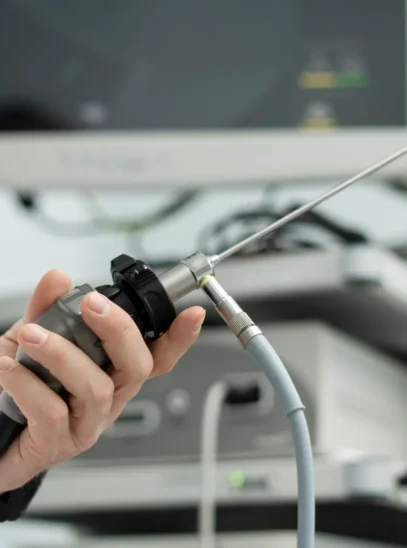
Colposcopy: A detailed examination of the cervix using a specialized magnifying device (colposcope), based on Smear or HPV test results.
Biopsy: Taking a tissue sample from a suspicious area for definitive diagnosis.
HPV Vaccine and Methods of Prevention
The most effective way to prevent HPV is through vaccination and regular screenings.
HPV Vaccine: Provides over 90% protection against the most common oncogenic (cancer-causing) types and wart-causing types. It can be administered to both girls and boys, as well as adults.
Barrier Methods: Although condom use reduces the risk, it does not provide 100% protection since it does not cover all skin areas where the virus might be present.
Regular Screening: An annual gynecological examination and screening tests should be performed at intervals recommended by your doctor.
Is There a Treatment for HPV?
There is currently no medication that completely eradicates the virus itself from the body; treatment is mostly directed towards the problems caused by the virus (warts or cellular abnormalities):
Wart Treatment: Cryotherapy (freezing), cauterization (burning), lasers, or topical creams can be used.
Treatment for Cellular Changes: Risk areas can be cleared with minor surgical procedures such as LEEP or cone biopsy (conization).
Immune Support: A healthy diet, regular sleep patterns, and quitting smoking assist the body in clearing the virus.
Conclusion
Being HPV positive is not a condition to be feared; rather, it is a process that requires more careful monitoring. With early diagnosis and vaccination, it is completely possible to prevent serious health problems associated with HPV.
Important Note: This content is for informational purposes only. Please consult an obstetrician-gynecologist for diagnosis, screening, and treatment processes.