
• Home
  • Prof. Dr. Selçuk Erkılınç, MD
  • My Areas of Expertise
    • Gynecologic Cancer Surgery
      • Ovarian Cancer
      • Uterine Cancer
      • Cervical Cancer
      • Female Genital Cancer Screenings
    • High-Risk Pregnancy
      • High-Risk Pregnancy Follow-Up
      • Placental Anomalies
    • Gynecological Operations and Tumors
      • Myoma and Polyp Surgeries
      • Management of Ovarian Cysts
    • Advanced Laparoscopic and Endoscopic Surgery
      • Hysteroscopy (Intrauterine Imaging and Treatment)
      • Closed (Laparoscopic) Surgeries
      • Endometriosis (Chocolate Cyst) Treatment
    • Urogynecology and Pelvic Health
      • Genital Warts and HPV Infection Treatment
      • Urinary Incontinence and Voiding Dysfunctions in Women
      • Uterine and Vaginal Prolapse (Pelvic Organ Prolapse)
    • Aesthetic and Functional Gynecology
      • Vaginal Aesthetics and Rejuvenation (Genital Aesthetics)
      • Chronic Pelvic Pain Treatment
  • Blogs
  • Our Gallery
  • Contact
  • Türkçe
Facebook Whatsapp Youtube
  • Home
  • Prof. Dr. Selçuk Erkılınç, MD
  • My Areas of Expertise
    • Gynecologic Cancer Surgery
      • Ovarian Cancer
      • Uterine Cancer
      • Cervical Cancer
      • Female Genital Cancer Screenings
    • High-Risk Pregnancy
      • High-Risk Pregnancy Follow-Up
      • Placental Anomalies
    • Gynecological Operations and Tumors
      • Myoma and Polyp Surgeries
      • Management of Ovarian Cysts
    • Advanced Laparoscopic and Endoscopic Surgery
      • Hysteroscopy (Intrauterine Imaging and Treatment)
      • Closed (Laparoscopic) Surgeries
      • Endometriosis (Chocolate Cyst) Treatment
    • Urogynecology and Pelvic Health
      • Genital Warts and HPV Infection Treatment
      • Urinary Incontinence and Voiding Dysfunctions in Women
      • Uterine and Vaginal Prolapse (Pelvic Organ Prolapse)
    • Aesthetic and Functional Gynecology
      • Vaginal Aesthetics and Rejuvenation (Genital Aesthetics)
      • Chronic Pelvic Pain Treatment
  • Blogs
  • Our Gallery
  • Contact
  • Türkçe
  • Türkçe
  • English
Home Posts What is Hysteroscopy? In Which Conditions Is It Performed?

Uncategorized

What is Hysteroscopy? In Which Conditions Is It Performed?

By haktan.akpulat@gmail.com
22 May 2026
0 Comments
Histeroskopi Nedir.jpg

What is Hysteroscopy? In Which Conditions Is It Performed?

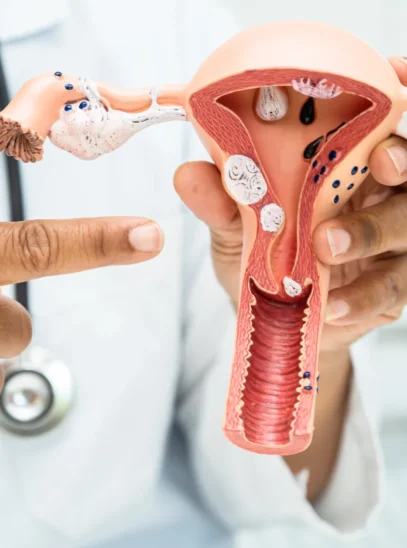
Hysteroscopy, which is used for both diagnosis and certain treatment processes in the field of obstetrics and gynecology, is one of the modern gynecological methods that helps evaluate the inside of the uterus in detail. It is particularly used to evaluate abnormal bleeding, structural intrauterine problems, or certain conditions that may affect family planning. Being among the minimally invasive (closed method) approaches, this method can provide life-saving information for eligible patient groups.

What is Hysteroscopy?

Hysteroscopy is a procedure that allows the visualization of the intrauterine cavity by entering through the cervix with a specialized, thin device equipped with a light and camera system (hysteroscope). Thanks to this method, the inside of the uterus can be directly evaluated. Hysteroscopy is performed for two main purposes:

  1. Diagnostic Hysteroscopy: It is used to examine the structural status, polyps, or adhesions inside the uterus.

  2. Operative Hysteroscopy: It is performed to treat problems such as polyps, small myomas, adhesions, or a uterine septum during the same session.

In Which Conditions Can Hysteroscopy Be Performed?

Following a specialist evaluation, this method can be used in the following situations:

  • Abnormal or irregular uterine bleeding and postmenopausal bleeding

  • Suspicion of intrauterine polyps and submucosal myomas

  • Recurrent miscarriages or infertility evaluation

  • The presence of intrauterine adhesions (Asherman’s syndrome) or a uterine septum

  • Removal of a misplaced intrauterine device (IUD)

  • Endometrial biopsy planning

How is Hysteroscopy Performed?

The procedure can be carried out in a clinic setting or under operating room conditions depending on its purpose. The general process is as follows:

  1. The cervix is accessed through the vaginal route.

  2. The hysteroscope device is gently advanced into the uterus.

  3. To see the inside of the uterus more clearly, the uterine cavity is expanded by introducing fluid or gas.

  4. The entire inside of the uterus is evaluated on a screen via the camera; surgical intervention is performed if necessary.

Local anesthesia, sedation, or general anesthesia can be preferred based on the scope of the procedure.

Preparation Before Hysteroscopy

A physician’s evaluation prior to the procedure is of vital importance. During this process, pregnancy status, the presence of an active infection, medications used, and the timing of the menstrual cycle (it is generally preferred right after the period ends) are taken into consideration.

The Post-Hysteroscopy Process

Many patients can return to their daily lives shortly after the procedure. The following may be observed for a few days post-procedure:

  • Mild groin pain or cramps

  • Vaginal bleeding in the form of spotting

  • Shoulder pain (depending on the introduced gas or fluid)

What Are the Advantages of Hysteroscopy?

The primary advantages of this method provided by modern medicine include:

  • Since no surgical incision is made, the recovery process is very rapid.

  • The inside of the uterus is visualized directly and clearly.

  • Diagnosis and treatment (intervention) can be performed in the same session.

  • The duration of hospital stay is considerably short.

Is Hysteroscopy Important for Those Planning a Pregnancy?

Yes, particularly intrauterine septums, adhesions, or polyps can prevent the embryo from implanting. Removing these obstacles with hysteroscopy can increase the chances of conceiving naturally or improve success rates in IVF treatments.

Conclusion

Hysteroscopy is considered one of the gold standard methods for both the definitive diagnosis and effective treatment of intrauterine problems. You can plan this process with your specialist physician to clarify suspicious conditions detected during regular gynecological follow-ups.

Important Note: This content is for informational purposes only. Please consult an obstetrician-gynecologist for diagnosis and treatment choices.

Share
Copied!
previous post
next post

Related Posts

kadındogum
Uncategorized
22 May 2026
What is Uterine Cancer (Endometrial Cancer)? Symptoms, Risk Factors, Diagnosis and Treatment Process
kadındogum
Uncategorized
22 May 2026
What is High-Risk Pregnancy? Risks and Monitoring in Pregnancy
Miyom ve Polip Nedir.jpg
Uncategorized
22 May 2026
What Are Myomas and Polyps? Symptoms and Treatment Options
HPV (Human Papilloma Virüsü) Nedir.jpg
Uncategorized
22 May 2026
What is HPV (Human Papilloma Virus)? Symptoms, Transmission Routes, Prevention and Treatment Process
Genital Estetik Nedir.jpg
Uncategorized
22 May 2026
What is Genital Aesthetics? Which Procedures Does It Include, and Who Can It Be Evaluated For?
Yumurtalık (Over) Kanseri Nedir.jpg
Uncategorized
22 May 2026
What is Ovarian Cancer? Symptoms, Risk Factors, Diagnosis and Treatment Process
Plasenta Anomalileri Nedir.jpg
Uncategorized
22 May 2026
What Are Placental Anomalies? Placenta Problems in Pregnancy
Yumurtalık (Over) Kistleri .jpg
Uncategorized
22 May 2026
What Are Ovarian Cysts? Symptoms and Types
Çikolata Kisti.jpg
Uncategorized
22 May 2026
What is a Chocolate Cyst (Endometrioma)? Symptoms and Treatment Options
Kronik Pelvik Ağrı.jpg
Uncategorized
22 May 2026
What is Chronic Pelvic Pain? Causes and Treatment Options
Kapalı Ameliyat.JPG
Uncategorized
22 May 2026
What is Closed Surgery (Minimally Invasive Surgery)? What You Need to Know About Laparoscopic and Hysteroscopic Methods

Instagram @selcukerkilinc

Pages
  • Home
  • About Me
  • My Areas of Expertise
  • Blogs
  • Contact

Address

Yali Mahallesi 6523. Sokak Park Yasam Ofisleri No:32/A Floor:6 Apartment:601 35550 Karsiyaka/Izmir, Turkey

Location
Monday – Friday: 9:00 AM – 7:00 PM Saturday: 9:00 AM – 7:00 PM
Contact
  • +90 532 342 68 24
  • +90 554 916 69 23
  • info@maiakadinsagligi.com
Informations
  • Privacy Policy
  • Protection of Personal Data
  • Cookie Policy
  • Privacy Notice
Tiktok Youtube Instagram Facebook-f

Information and healthcare services for diagnostic and treatment processes are provided in the fields of gynecology and gynecologic oncology. The information contained on this website is for informational purposes only. Please consult your physician for diagnosis and treatment. Diagnostic and treatment methods may vary from person to person.

Digital Strategist | All Rights Reserved © 2026.

Login

Lost your password?